Sonoma County Court Docket shows scheduled hearings, case activity, and filings recorded by the county court system. A Sonoma County Court Docket Search helps the public check court dates, review docket entries, and follow the progress of a case timeline. The docket functions as the official case schedule used by the court to manage hearings and legal events. Each update reflects actions filed in court records, including motions, rulings, or trial settings. Many residents search the docket to confirm upcoming appearances, monitor legal proceedings, or verify hearing calendar information connected with a specific case number or party name.
A Sonoma County Court Date Lookup provides basic case details listed in the docket record. These entries outline the history of a case from the first filing through each scheduled hearing. The docket timeline may include court records such as filed documents, judge orders, motions, and scheduled hearings. Many users review these records to check the current case schedule or confirm a hearing calendar date. Lawyers, reporters, and residents often rely on docket searches to follow local legal activity handled by the Superior Court of California, County of Sonoma and its different case divisions.
What Is the Sonoma County Court Docket?
A Sonoma County Court Docket is the official case activity log used by the court system to track events tied to a legal case in Sonoma County Court. It records hearings, court filings, rulings, and scheduling details linked to a case number. This docket helps courts organize the judicial schedule and keep cases moving through the legal process. Each entry shows a step in the case timeline and reflects current case updates. The docket helps attorneys, reporters, and the public review ongoing legal proceedings handled by the Superior Court of California, County of Sonoma.
How the Sonoma County Court Docket Works
The Sonoma County Court Docket works as a structured record that tracks activity from the moment a case begins. Court clerks add entries each time a filing reaches the court or a judge issues an order. The record grows as the case moves through hearings, motions, and trial scheduling. This organized system creates a clear case activity log that allows court staff and attorneys to follow the judicial schedule and monitor case progress without reviewing every document filed in court records.
What Sonoma County Docket Entries Include
Sonoma County docket entries list updates that show actions taken during court proceedings. Each entry includes the date of the event and a short description of the activity recorded by the court clerk. These entries create a running timeline that reflects the legal process from the initial filing to the final decision. The case activity log helps track court filings, hearing notices, rulings, and scheduling changes that appear during the life of the case.
- Court filings submitted by attorneys or parties
- Hearing notices listing scheduled court appearances
- Motions and legal requests filed during the case
- Orders issued by the judge
- Trial settings or settlement conferences
- Case closure entries after final judgment
Court Docket vs. Court Records
A court docket differs from full court records even though both relate to the same case. The docket acts as a summary log that lists case updates and scheduled events. Court records contain the full legal documents connected to those entries, including filings, evidence, and transcripts. Many users check the docket first to review the case timeline before opening the detailed documents stored in court records.
| Feature | Court Docket | Court Records |
|---|---|---|
| Purpose | Case activity log | Official legal documents |
| Content | Hearing notices and case updates | Filed paperwork and evidence |
| Format | Chronological entries | Complete documents |
| Use | Track case timeline | Review detailed filings |
How to Perform a Sonoma County Court Docket Search
A Sonoma County Court Docket Search allows users to check case activity, court filings, and scheduled hearings linked to a legal case. The Sonoma County court case lookup system works through the official online court database where the public can review docket entries and hearing schedules. The court provides a public search system through the website of the Superior Court of California, County of Sonoma.
The official case search portal is available at: https://sonoma.courts.ca.gov
Steps for Sonoma County Court Case
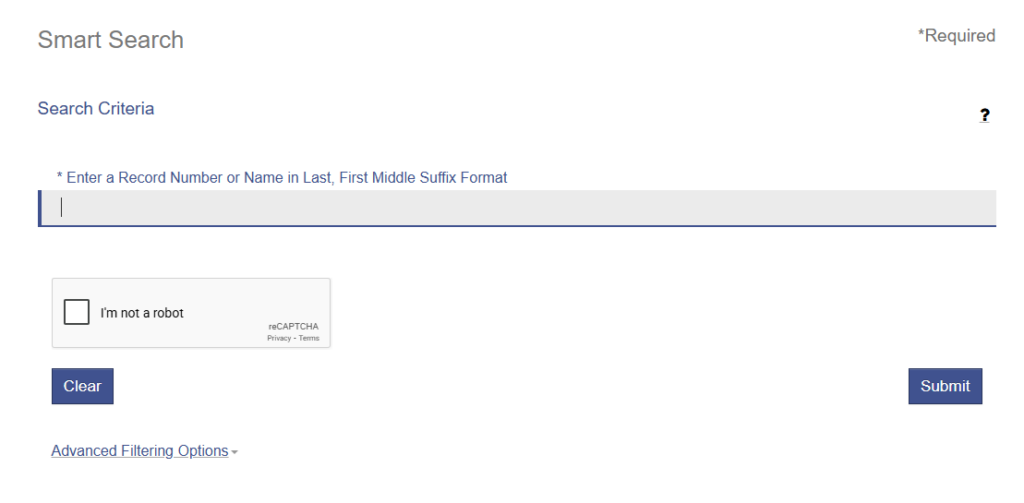
This online court lookup tool connects users with the court’s docket database. The system displays case timelines, party names, filing dates, and upcoming hearing notices recorded in the court’s case management system. Follow these steps to perform a Sonoma County Court Docket Search through the official public case search tool.
Open the Official Court Website
- Open a web browser and enter the court’s official website: https://sonoma.courts.ca.gov
- The homepage includes links for court services, online tools, case searches, calendars, and court forms. Look for the Online Services or Case Information section to begin a public case search.
Open the Online Case Search Portal
- Inside the website navigation menu, select the Case Search or Public Case Search option. This link opens the case search portal connected to the court’s docket database.
- The search page contains input fields that allow users to search court records by:
- Case number
- Party name
- Attorney name
- Filing date range
- Case type
- These search fields help narrow results inside the court’s case management system.
Enter the Case Number
- The case number provides the most accurate search result. Type the full case number into the search field exactly as listed in court paperwork.
- Once submitted, the system retrieves the matching case record and displays the full docket activity page. This page includes hearing dates, filing updates, and recent docket entries recorded by the court clerk.
Search by Party Name
- A Sonoma County court case lookup can run with a party name if the case number is unknown. Enter the first and last name of a person or organization involved in the case.
- The docket database scans its records and displays a list of cases that match the name entered. Users can review details such as filing dates or case types to identify the correct record.
Filter Results by Case Type
- The public case search system may display several results if the name search returns multiple matches. Filters help narrow the list inside the docket database.
- Common case type filters include:
- Criminal cases
- Civil cases
- Family law cases
- Probate matters
- Traffic cases
Open the Case Record
- After selecting a case from the results list, the system opens the case details page. This page shows the complete case activity log tied to the docket.
- Users can review important information such as:
- Case number and case title
- Party names and attorney listings
- Filing date of the case
- Assigned courtroom or department
- Judge assignment
- This page acts as the central docket summary for the case.
Review the Hearing Schedule
- Scroll through the case page to view the hearing schedule and upcoming court appearances. The docket database lists events in chronological order, which creates a clear timeline of case activity.
- Each entry usually includes:
- Event date
- Hearing type
- Court department
- Status update or court order
- This information helps users confirm upcoming court appearances or review previous hearings.
Check Docket Entries and Case Updates
- The docket entries section lists every action recorded during the case. Each entry contains a short description of filings or court actions entered by the clerk’s office.
- Common updates displayed in the case activity log include:
- Court filings submitted by attorneys
- Hearing notices issued by the court
- Judicial orders or rulings
- Trial scheduling events
- Case status updates
- Reviewing these entries helps track the full case timeline inside the Sonoma County Court Docket Search system.
Sonoma County Court Docket Entries
Docket entries record the events that occur during a legal case and show how the matter moves through the court system. These entries form a structured case timeline that documents filings, hearings, rulings, and status changes during case proceedings. Each entry appears in chronological order and reflects updates added by the court clerk. This running record helps attorneys, reporters, and the public review case activity connected to proceedings handled by the Superior Court of California, County of Sonoma. The docket does not contain full documents but summarizes major legal filings and court actions that shape the progress of a case.
Filing Dates and Legal Filings
Every case begins with a filing recorded in the docket system. The first entry usually lists the complaint, petition, or criminal charge submitted to the court clerk. Each time attorneys submit documents, the clerk records the activity as a new docket entry with a timestamp. These entries document the flow of legal filings throughout the case. Filing records help track how frequently attorneys submit motions, responses, or other paperwork tied to the case proceedings.
Common filing-related docket entries include:
- Complaint or petition filing
- Criminal charges filed by prosecutors
- Attorney motions submitted to the court
- Responses or legal briefs filed by opposing parties
- Evidence submissions listed in court updates
Motions Filed During Case Proceedings
A motion is a formal request asking the court to take a specific action during case proceedings. Attorneys file motions to resolve disputes about evidence, scheduling, or legal arguments before trial. The docket logs these requests and the judge’s decision connected to them. Each entry shows the filing date, the motion title, and the ruling entered by the court. These entries form an important part of the case progress record and help track legal arguments presented during the case.
Judgments and Case Decisions
Docket entries eventually record the final ruling issued by the court. This ruling appears as a judgment entry once the judge resolves the case through trial, settlement approval, or dismissal. Judgment entries may contain updates related to sentencing, financial awards, or court orders that close the case. These entries mark the final stage of the case timeline within the docket system.
Case Status and Progress Updates
The docket provides continuous case updates that show the current status of the legal matter. These updates help track case progress from the initial filing through each hearing and legal action. This case activity log allows anyone reviewing the docket to see how a case moves through the court process and what stage it has reached within the legal system. Common case status entries include:
- Case opened or filed
- Hearing scheduled or rescheduled
- Motion granted or denied
- Trial date assigned
- Case dismissed or closed
Sonoma County Court Hearing Schedule and Court Dates
Sonoma County Court Dates show when a case must appear before a judge for hearings, conferences, or trial proceedings. The Sonoma County hearing schedule organizes these events within the court calendar and keeps track of scheduled proceedings linked to each case. Every hearing added to the docket appears in the official hearing calendar maintained by the Superior Court of California, County of Sonoma. This schedule helps attorneys, parties, and court staff follow case timelines and prepare for upcoming court appearances listed in the daily court system calendar.
Daily Court Calendar
The daily court calendar lists every case scheduled for hearings on a specific date. Courts publish these calendars to organize courtroom activity and manage scheduled proceedings throughout the day. Each calendar entry shows the courtroom department, case number, hearing time, and assigned judge. Attorneys and parties review the calendar to confirm their court appearance details and locate the correct courtroom for their hearing.
- Court department or courtroom number
- Assigned judge for the session
- Case numbers scheduled for that day
- Time listed for each court appearance
- Type of hearing scheduled for the case
Trial Scheduling
A trial date appears once the court determines that a case is ready for trial proceedings. Judges usually assign the trial date after reviewing case progress during hearings or conferences. The court clerk records the trial date inside the docket, which places the event in the official hearing calendar. Trial scheduling becomes one of the most significant events recorded in the case timeline.
- Case readiness reviewed by the judge
- Trial date selected during a hearing
- Entry of the trial date into the docket
- Update of the hearing calendar and case timeline
Court Date Notifications
Courts issue notices whenever new Sonoma County Court Dates appear in the hearing schedule or when an existing date changes. These notifications help parties prepare for their next court appearance and stay aware of scheduled proceedings listed in the docket. Attorneys and parties often check court updates through official notices or online docket searches to monitor case progress.
- Court notices mailed to parties
- Electronic notices sent to attorneys
- Updates posted in the hearing calendar
- Scheduling orders issued by the court clerk
Types of Cases in the Sonoma County Court Docket
Sonoma County court cases appear in the docket once a filing reaches the court clerk and the case receives a case number. These Sonoma County docket records track hearings, filings, and case progress for many legal matters handled by the Superior Court of California, County of Sonoma. The court manages several categories of cases, and each type follows its own legal process. The docket organizes these matters so attorneys, parties, and the public can review scheduled hearings, court updates, and case timelines recorded in the system.
Criminal Cases
Criminal cases involve violations of state law and appear in the criminal docket once prosecutors file formal charges. These cases move through several hearings that determine whether the accused person will face trial or receive another legal outcome. The docket records each court appearance, motion filing, and ruling connected to the criminal proceedings. Entries often include arraignments, bail hearings, preliminary hearings, and trial scheduling.
- Felony charges such as burglary or assault
- Misdemeanor offenses such as theft or disorderly conduct
- Arraignment hearings where charges are read
- Pretrial motions and evidentiary hearings
- Trial dates or sentencing hearings
Civil Cases
Civil cases involve legal disputes between parties seeking financial compensation, contract enforcement, or other court orders. These cases form part of civil litigation and usually involve lawsuits filed by one party against another. The docket records filings, motions, and hearing dates as the dispute moves through the court process. Civil cases often resolve through settlement conferences, mediation, or trial proceedings recorded in the docket.
Family Court Cases
Family court cases address legal matters involving family relationships and domestic issues. These matters appear in the docket once a petition reaches the court clerk. The court schedules family law hearings that help resolve disputes involving marriage, parenting, or financial responsibilities. The docket tracks each filing, hearing, and court order connected to the case timeline.
- Divorce and legal separation cases
- Child custody and visitation disputes
- Child support or spousal support requests
- Domestic violence protection orders
- Adoption and guardianship hearings
Probate Cases
Probate cases involve the administration of estates after a person passes away or becomes unable to manage personal affairs. These matters follow probate proceedings recorded in the docket system. The court reviews petitions, appoints estate representatives, and supervises asset distribution according to state law. The docket tracks filings, hearing notices, and court orders tied to the estate process.
Traffic Cases
Traffic cases involve violations of road and vehicle laws recorded by law enforcement officers. These matters appear in the docket once a citation reaches the traffic court. Traffic cases often involve scheduled court appearances where a driver contests the citation or resolves the violation through payment or court action. The docket records hearing dates, case updates, and final rulings connected to the citation.
- Speeding violations
- Red-light or stop-sign violations
- Driving without valid registration
- Insurance or licensing violations
- Traffic court hearings for contested citations
Sonoma County Court Case Timeline
A case timeline shows the sequence of events that occur during court case proceedings from the first filing to the final ruling. This timeline reflects the legal process recorded in the docket system. Every case handled by the Superior Court of California, County of Sonoma moves through several court stages before reaching a final outcome. The docket logs each step in chronological order, which forms a structured legal process timeline. Some cases resolve early through hearings or agreements, and others move through a full litigation process that ends with trial and judgment.
- Filing: The case officially begins when a complaint, petition, or criminal charge is filed and entered into the court docket.
- Preliminary Hearing: A judge reviews the initial evidence or claims to decide whether the case should proceed.
- Motions: Attorneys submit formal requests asking the court to decide legal matters before the trial begins.
- Trial: Both parties present evidence and arguments before a judge or jury for a final evaluation of the case.
- Judgment: The judge or jury issues a final decision that determines the legal outcome of the case.
- Appeals: A party may request a higher court to review the decision if they challenge the judgment.
Typical Court Case Timeline
The following table shows a general timeline for court case proceedings. Actual timelines vary depending on case complexity and court scheduling.
| Court Stage | What Happens | Typical Timing |
|---|---|---|
| Filing | Complaint or charge submitted and case number assigned | Day 1 |
| Preliminary Hearing | Judge reviews evidence and confirms the case can proceed | Weeks 2–6 |
| Motions | Attorneys submit legal requests and the court issues rulings | 1–4 months |
| Trial Scheduling | Court assigns a trial date and prepares for proceedings | 3–6 months |
| Trial | Evidence, witnesses, and legal arguments presented | Several days to weeks |
| Judgment | Judge or jury issues final ruling | End of trial |
| Appeals | Higher court reviews the decision if a party files an appeal | Months to years |
Sonoma County Court Locations
The Sonoma County court system manages legal cases for communities across the county through several courthouse facilities. These courts operate under the jurisdiction of the Superior Court of California, County of Sonoma and handle criminal, civil, family, probate, and traffic matters recorded in local court records. The Sonoma County jurisdiction covers cities and communities across the region. Residents, attorneys, and reporters rely on the county legal system to file cases, attend hearings, and review docket information tied to local legal proceedings. Many court services take place in courthouse buildings located in Santa Rosa, which serves as the administrative center for county courts.
Main Sonoma County Courthouse Locations
Several courthouse facilities in Santa Rosa handle different types of cases within the county legal system. These buildings manage court hearings, maintain records, and host scheduled proceedings across multiple departments. These locations manage different divisions of the county legal system, including criminal courtrooms, civil litigation hearings, family law proceedings, juvenile cases, and probate matters. Court clerks at these locations maintain local court records, hearing calendars, and official case filings connected to the Sonoma County docket system.
- Hall of Justice – 600 Administration Drive, Santa Rosa, CA 95403
- Civil and Family Law Courthouse – 3055 Cleveland Avenue, Santa Rosa, CA 95403
- Empire College Annex – 3035 Cleveland Avenue, Suite 200, Santa Rosa, CA 95403
- Juvenile Justice Center – 7425 Rancho Los Guilicos Road, Santa Rosa, CA 95409
Frequently Asked Questions
The Sonoma County court docket helps the public track hearings, filings, and updates connected to legal cases in the county court system. Many residents search the docket to confirm court dates, review case activity, or check scheduled proceedings. The following questions explain common issues related to court dates, docket entries, and case searches within the Superior Court of California, County of Sonoma.
How do I find my Sonoma County court date?
To find a Sonoma County court date, start with the online case search tool on the official court website. Enter the case number if it is available, since this method returns the most accurate result. The system then displays the case page where upcoming hearings and courtroom assignments appear. A user can search by party name if the case number is unavailable. The docket record lists the hearing calendar, event dates, and courtroom department. Reviewing this record helps confirm the next court appearance scheduled in the county legal system.
Are Sonoma County court dockets public?
Most Sonoma County court dockets remain public records within the county legal system. Members of the public can review basic case details through the online case search tool provided by the court. These records often show hearing schedules, case status updates, and docket entries connected to court proceedings. Certain matters remain restricted under state privacy laws. Juvenile cases, sealed files, and sensitive records often remain hidden from public searches. The public docket still provides enough information to track case activity and confirm hearing dates.
How often are Sonoma County court dockets updated?
Court clerks update Sonoma County court dockets whenever new activity occurs in a case. Each filing submitted by attorneys or parties creates a new entry in the docket system. Court updates often appear after hearings, motions, judicial rulings, or scheduling changes. The docket timeline grows as the case moves through different court stages. Some cases receive several updates within a short period, especially during active litigation. Checking the docket regularly helps users stay aware of hearing schedule changes and recent developments recorded by the court.
Can I search a Sonoma County case by name?
Yes, the public case search tool allows users to locate Sonoma County court cases using a party name. Enter the first and last name of a person or organization connected to the case in the search field. The system scans its records and returns cases that match the name entered. Multiple results may appear if several cases involve similar names. Reviewing the filing date, case type, or courtroom department helps identify the correct record. This search option helps people locate cases without a case number.
What does a docket entry mean?
A docket entry is a short record describing an event that occurred during court case proceedings. The court clerk adds each entry to the docket timeline as the case moves forward. These entries include the date of the event and a brief description of the action recorded by the court. Docket entries may show legal filings, hearing notices, judicial orders, or scheduling updates. Reviewing these entries helps users follow case progress and see what actions occurred during different stages of the legal process.